01
Observe
Record the symptom, location, and timing.

Clear, evidence-led guidance for San Antonio property owners investigating a possible under-slab plumbing leak.
Choose any symptoms. This quick guide does not diagnose a leak.
Compare detection, repair, rerouting, and testing options based on the actual system.
Move from observation to testing, written options, and verification.
Record the symptom, location, and timing.
Consider other plausible sources.
Use suitable tests and interpret results.
Choose the next step with clear information.
Tools help gather evidence; their limits and conditions matter.
Useful when the cause, location, or extent of the issue remains uncertain.
Appropriate once the evidence supports a specific repair scope.
We only want to display reviews that can be checked on Google. No ratings or customer quotes are invented here.
Use Google to look for the business or plumbing provider you are considering and read the current reviews directly on the original listing.
Find Google Reviews ↗Reviews should be attributed to the actual service provider shown on Google. Until an official Google Business Profile URL and verified review content are supplied, this page does not claim a star rating or quote individual customers.
Contact us about service options →Review scope, exclusions, restoration, and written terms before approval.


Illustrative stock photography only. Images are not representations of completed Slab Leak Repair jobs or verified customer properties.
If water is actively escaping, prioritize safety and shut off the appropriate supply if safe.
Get general answers about diagnosis, repair, costs, and insurance.
Record the symptom, location, and timing.
Consider other plausible sources.
Use suitable tests and interpret results.
Choose the next step with clear information.
Describe the property and symptoms to start a useful conversation.
Useful when the cause, location, or extent of the issue remains uncertain.
Appropriate once the evidence supports a specific repair scope.
The right method depends on verified test results, pipe condition, access, and the property's needs.
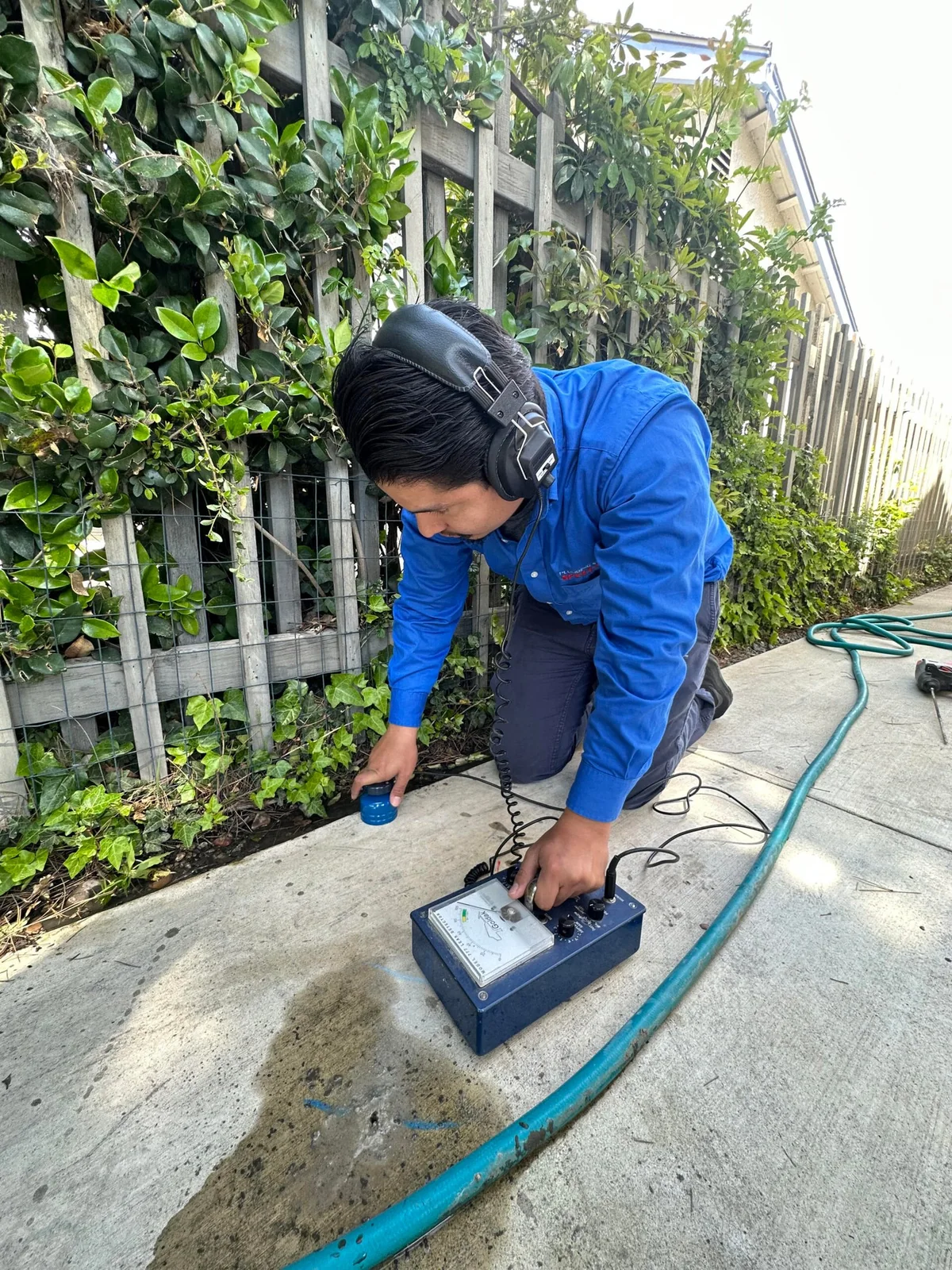
Non-invasive investigation can combine acoustic listening devices, thermal imaging cameras, and moisture meters to help locate a suspected leak beneath concrete.
Explore leak detection →
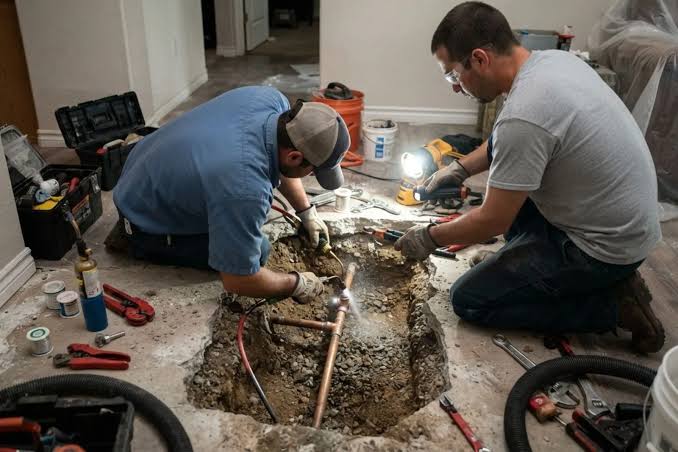
Where appropriate, a small area of concrete is opened to expose the damaged pipe section, which can then be cut out and replaced. Concrete restoration may also be needed.
Explore direct slab repair →A new route through accessible walls or ceiling spaces may bypass a leaking underground line, especially when pipes are aging or multiple leaks are found.
Explore rerouting →
Depending on pipe material, condition, and access, a specialist may assess whether an internal epoxy liner is suitable to seal a pipe without opening the floor. Not every slab leak is a candidate.
Explore pipe relining →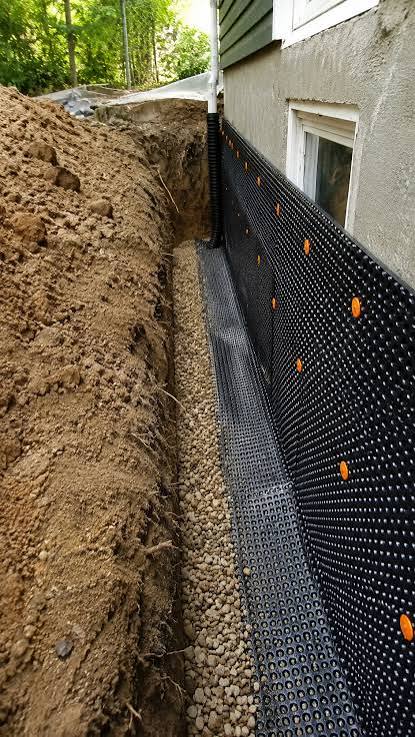
When assessment identifies seepage or moisture pathways, suitable waterproofing, chemical treatment, or grouting may help address dampness, salt deposits (shora), and water intrusion.
Ask about waterproofing options →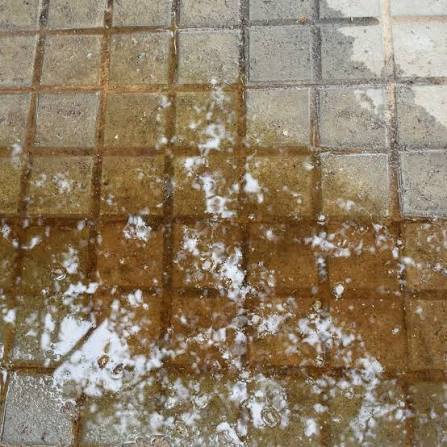
Look for unexplained damp floors or carpets, peeling paint near floor edges, warm tile or concrete, falling water pressure, unusually high bills, or running-water sounds when fixtures are off.
Review warning signs →Different concerns need different evidence and service approaches.


General information only; the right answer depends on your property, plumbing system, and verified findings.
No. High bills, warm floors, moisture, or unusual sounds can have multiple causes. Appropriate checks are needed.
No method can guarantee that. Testing may narrow the location, but access needs depend on findings and repair method.
Coverage depends on the policy, cause, exclusions, and circumstances. Ask your insurer for guidance specific to your policy.
A reliable estimate usually requires details about the suspected location, access, materials, scope, and restoration needs.